Franz Liszt
The piano is not only a doorway to creative exploration – “design as listening,” as Schwabe describes it, echoing centuries of human innovation and invention. Let’s take a journey through time to better understand how the piano changed over time from its simple beginnings to the versatile instrument we all know. In the process, you will learn such curious tidbits about well-known pianists and composers whose lives have played out alongside their beloved instrument.
The Early Years: Harpsichord to Piano
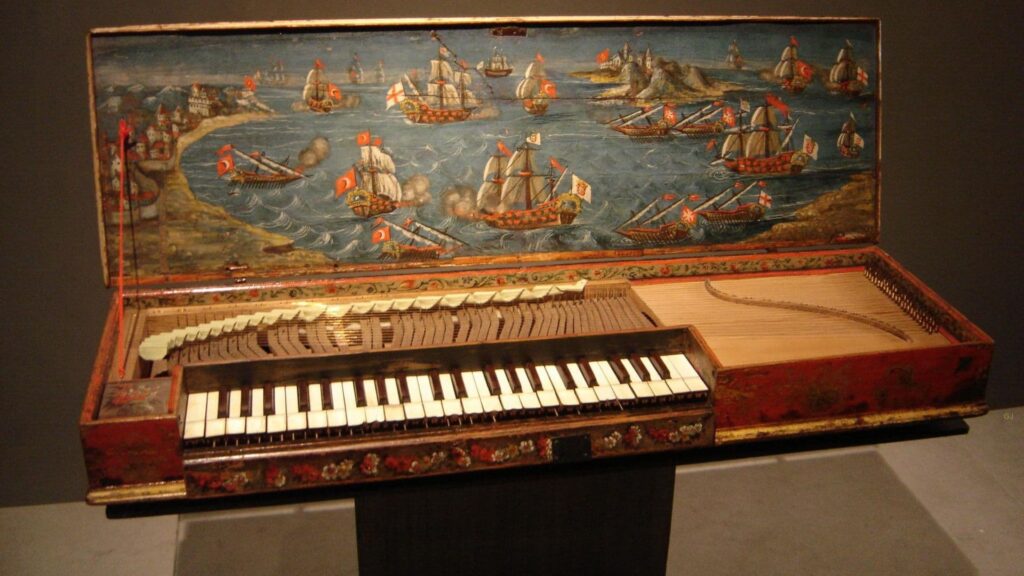
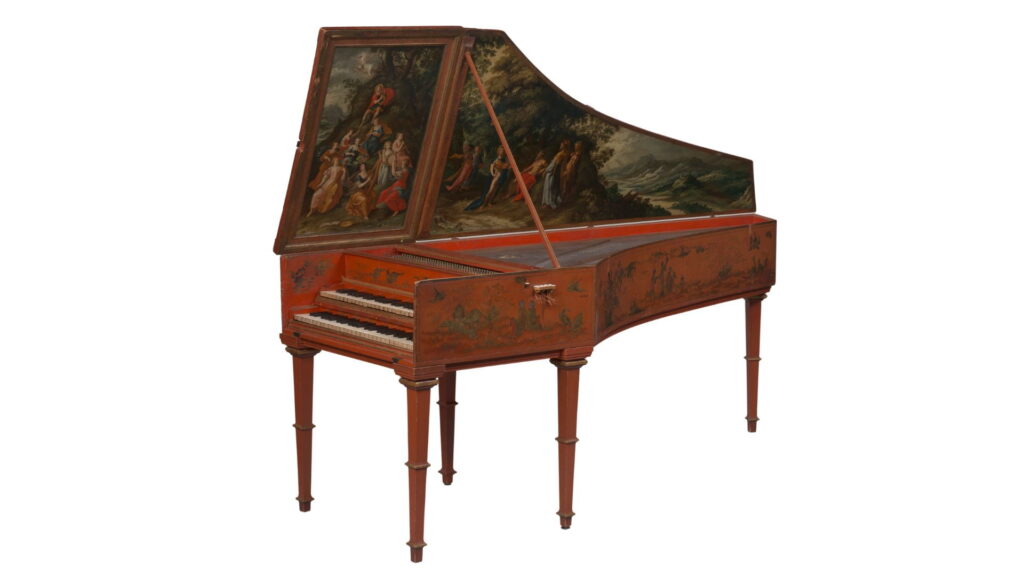
Well before the modern piano made its way into concert halls, though, keyboard instruments such as the clavichord and harpsichord paved the way. The piano was built on the legacy of these delicate and early instruments. After all, the first significant invention got himself into the lives of people in the early 1700s, and Italian innovator Bartolomeo Cristofori invented a wonderful instrument called the pianoforte. Unlike the harpsichord and most other keyboard instruments, the pianoforte allowed musicians to make each note louder or softer, depending on how hard it struck the string, thus unlocking a promise of expression not found before.
The Classical and The Romantic Periods
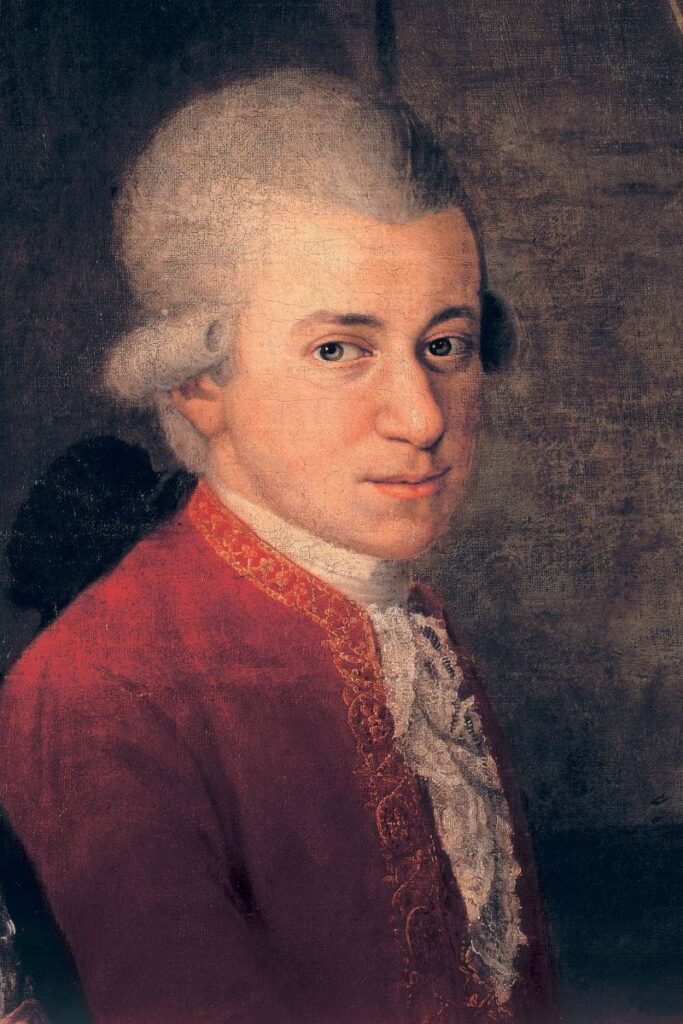
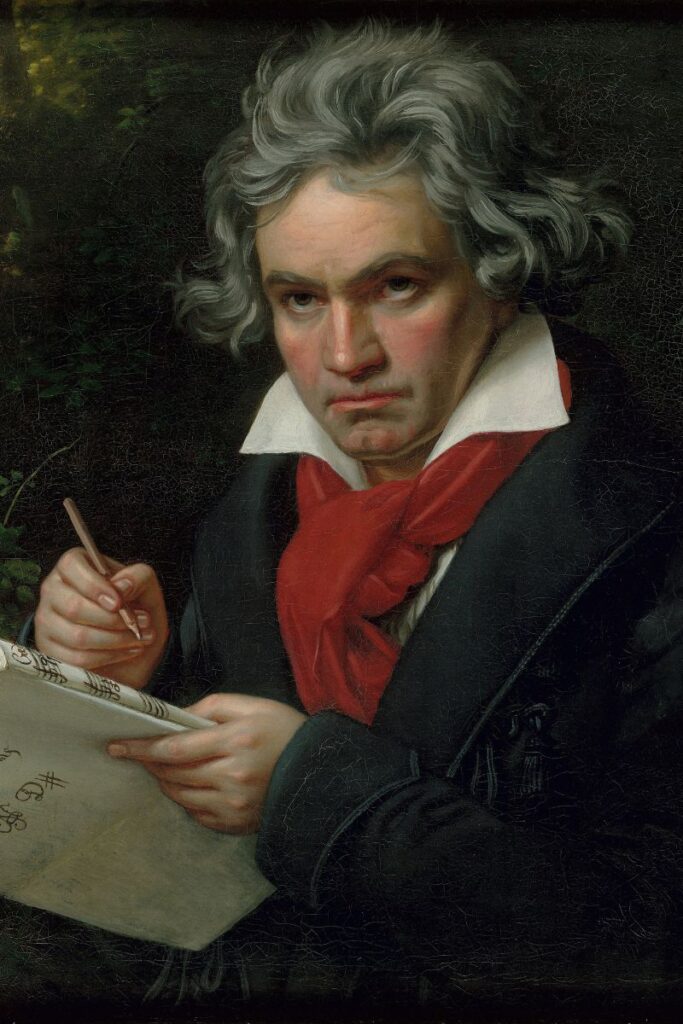
As the piano developed, it became the focal point for musical innovation in the Classical and Romantic eras. And composers such as Mozart and Beethoven developed its expressive palette, while virtuosos like Chopin and Liszt made performance itself into art. The overall impassioned texture, dynamics, and subject matter reflected on the piano during this period is still emulated by musicians even today.
I remember reading about how Ludwig van Beethoven, despite his increasing deafness, poured his soul into his compositions. His tireless zeal went on to revolutionize piano music and to make a mark that remains indelible in its evolution.
The Modern Era and Beyond
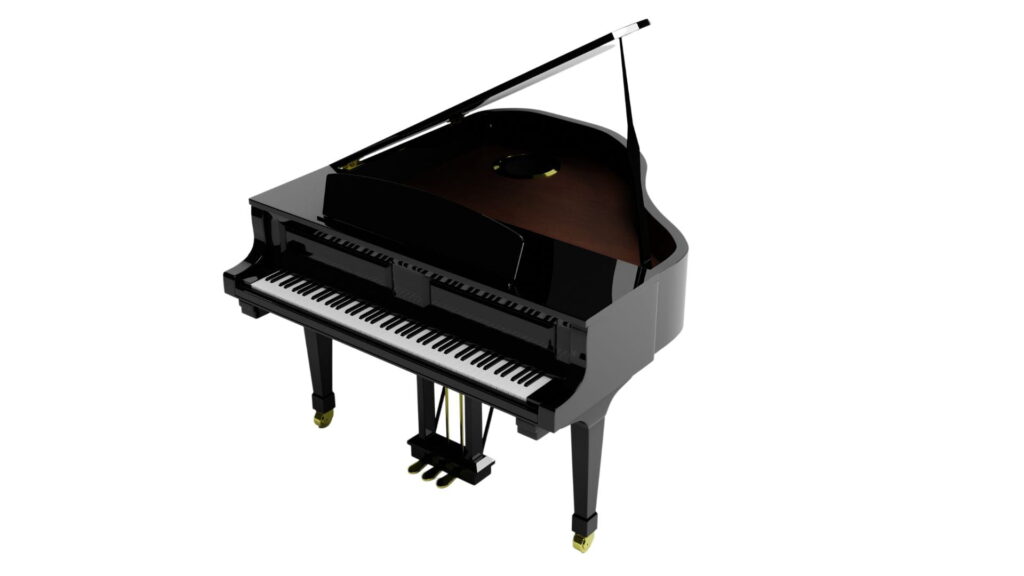
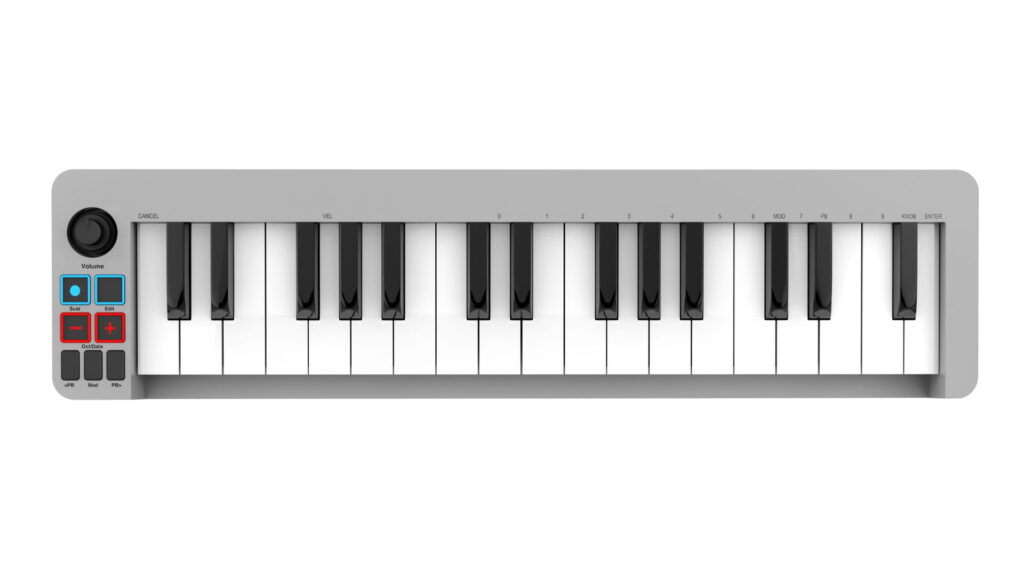
The Industrial Revolution and advancements in manufacturing led to the creation of robust, more dynamic pianos, setting the stage for the modern instrument. The digital age of the 20th century revolutionized the playing of the piano even further, allowing more people to play the instrument while preserving their rich acoustic heritage. The digital pianos and keyboards available today give budding musicians the ability to explore sounds and styles that would have been inconceivable just a century ago.
Imagine a trail of a pianist like Glenn Gould, whose innovative interpretations and love for the instrument challenged the status quo. His story is a powerful reminder that the evolution of the piano is a living, breathing narrative – one that you, as a budding pianist, are now a part of.
Key People in the History of the Piano
The history of the piano cannot be separated from the lives of the extraordinary artists who championed it. Not only did their journeys help evolve the instrument, but they also changed how we see the world of music.
Franz Liszt (Romantic Era)
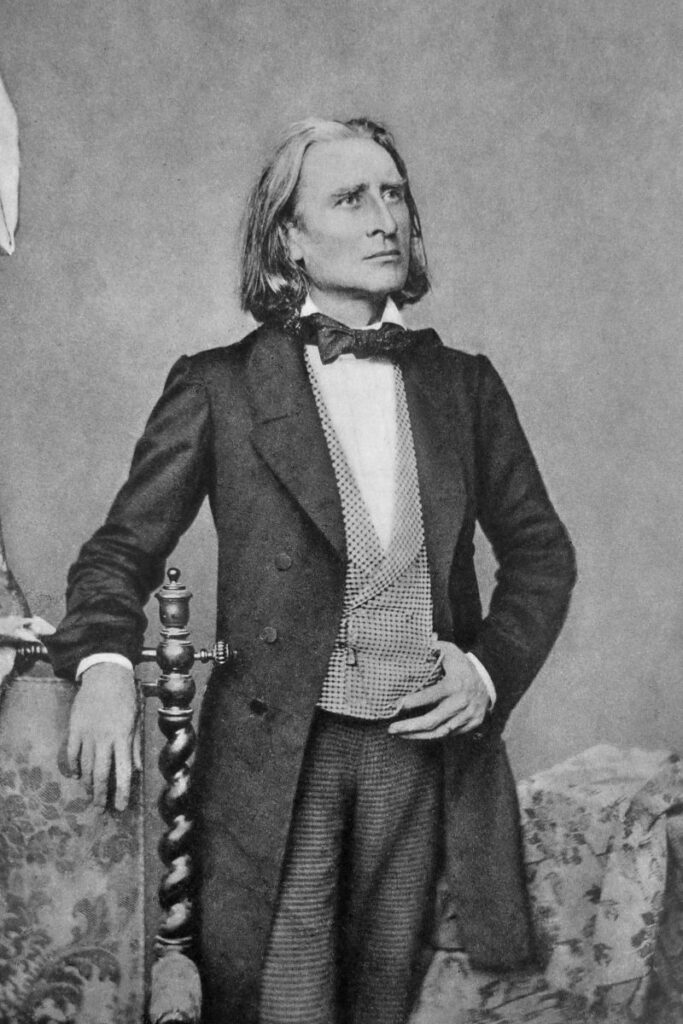
Franz Liszt (1811–1886) Hungarian virtuoso and composer whose spectacular technique and theatrical style revolutionized piano playing. His compositions and stage presence expanded the expressive power and status of the piano during the Romantic period.
Arthur Rubinstein (Early to Mid‑20th Century)
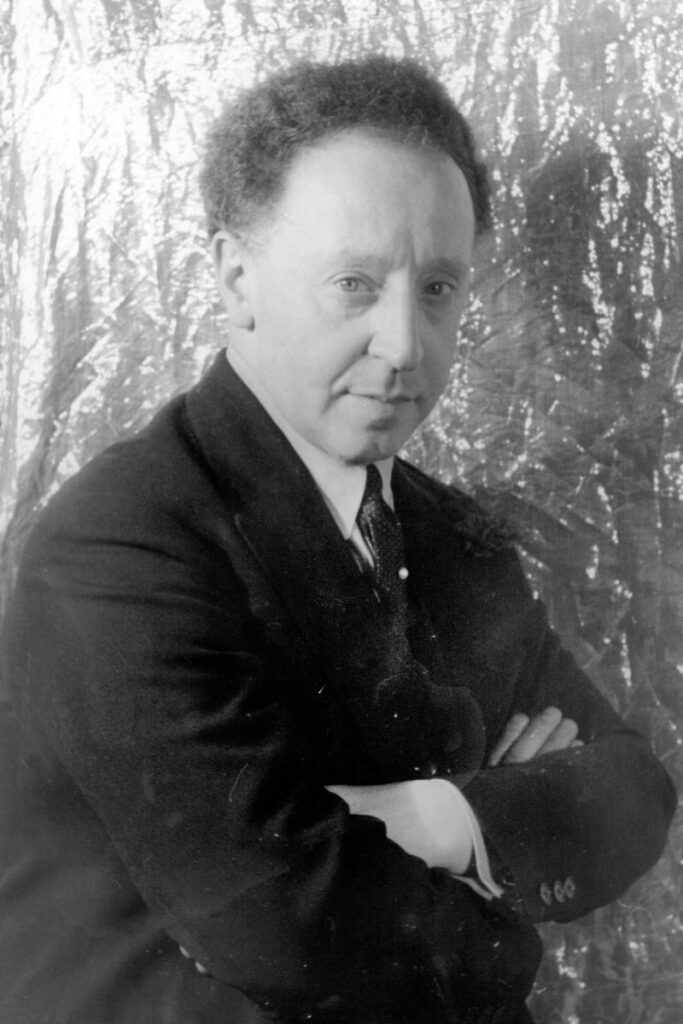
Arthur Rubinstein (1887–1982) was a Polish-American pianist known for his natural tone and interpretative warmth, particularly in works by Chopin. With his dazzling but never superficial style and profound musical intelligence, he was among the most popular pianists of his generation.
Glenn Gould (Mid‑20th Century)

The Canadian pianist Glenn Gould (1932–1982) was known for his unique, often eccentric interpretations of Bach’s works. He has set an iconic standard for classical piano performance with the ingenuity of his methods and the fastidious precision of his artistry.
Lang Lang (Modern Era)

Lang Lang (born 1982) is a virtuosic Chinese pianist recognized for his dynamic performances. As a global ambassador for the music of the past, his muscular stage presence and technical prowess have inspired a new generation of musicians across the planet.
Keith Jarrett (Modern Era)
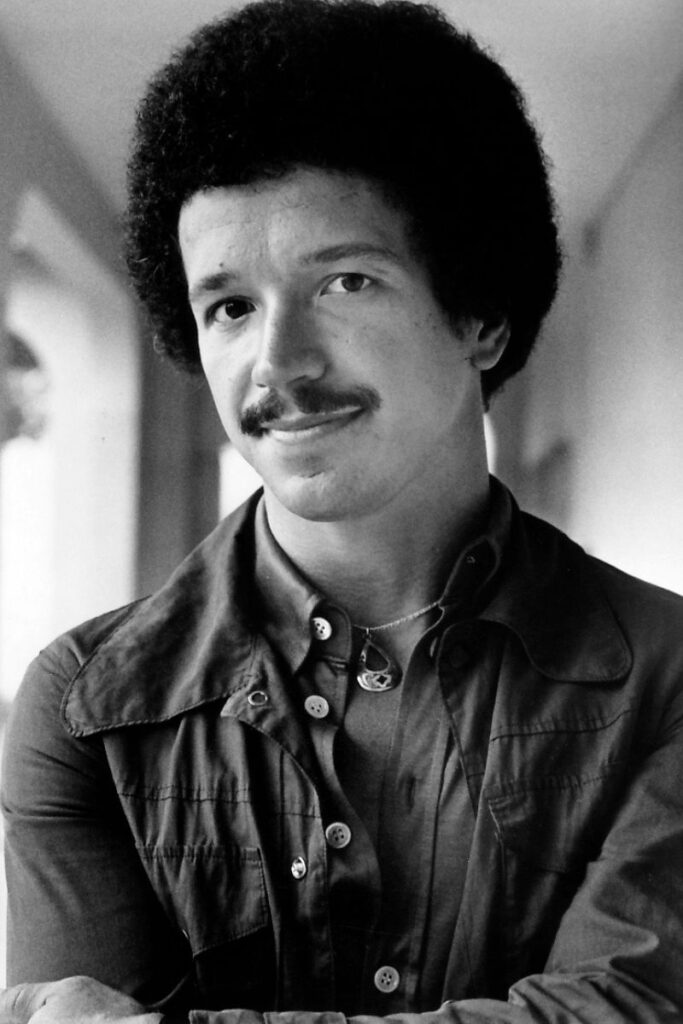
Keith Jarrett (born 1945) is an American pianist, one of the great improvisers, blending jazz and classical influences seamlessly. His inward-focused solo recitals and singular style have made him a contemporary standard bearer in piano musical life.
Reflective Exercise: Connecting with History
Before ending this chapter, let’s take a brief look back at the journey of the piano:
- What period in piano history resonates most with you, and why?
Scribble your thoughts, in the context of the development of the piano is parallel to your own growth. - How do you feel knowing that every time you play, you connect with centuries of musical history?
How does it feel to know that every time you play, you are communicating with centuries of musical history?
Tip: Keep these reflections in a practice journal. As you practice weekly and monthly, you’ll observe that your grasp of the piano becomes deeper, and the historical context of the piano enhances your musical expression.
Bringing It All Together
We went through the history of the piano in this chapter, discovering the key milestones and the remarkable figures who have shaped its evolution. In your journey ahead, never forget that each of the tones you produce are a connective touch to a colorful, historical legacy that has never stopped echoing and shaping the music we hear today.
Enjoy your exploring and let the legacy of the piano be your musical guide!